Have you ever smelled something—roasted sesame oil, an old book, sun-warmed vinyl seats—and been transported straight back to a moment you hadn’t thought about in years? It’s not just nostalgia; it’s your body remembering. Science tells us that memory doesn’t live solely in the brain. It resides in scent, in texture, in posture, in the small details our bodies carry long after our minds forget.
In this post, we explore what it means to remember through the body. We reflect on how childhood memories—especially the ones that return without warning—can guide, comfort, and challenge us. And we offer practical ways to begin reconnecting with those stories, not just with your head, but with your senses.
The Memory Lives in the Muscle
Think back to your childhood. Not a specific story, but a sensation: the weight of a winter coat zipped too high, the sting of a scraped knee, the burnt sweetness of barley tea. These aren’t just random memories—they are the body’s bookmarks.
Neuroscientists have shown that sensory memory—especially smell and touch—are directly connected to the brain’s limbic system, where emotional memory is stored. That’s why a whiff of your grandfather’s cologne or the feel of a school desk under your fingers can bring back a whole world in an instant.
But there’s more than brain chemistry at work here. Cultural anthropologists have long studied “embodied memory”—how traditions, movements, even emotional habits are passed on and retained physically. If your mother always hummed while doing the dishes, you might find yourself doing the same without realizing it. Not because you decided to—but because your body remembers.

The Stories That Never Got Written
For many of us, childhood stories live under the surface. They’re felt rather than told. We remember the rules of the house through our posture. We recall a sibling rivalry not through a specific argument, but through the tension in our shoulders when that sibling calls.
Some of these memories were never spoken aloud. Maybe the adults around you didn’t talk much. Maybe no one asked. Or maybe certain experiences were too confusing to explain. But those moments left traces.
In our work preserving life stories, we often hear people say, “I don’t know what stories I have.” But once they begin with something small—a smell, a sound, a gesture—the rest follows. That’s not just memory. That’s narrative emerging from the body’s archive.
Sensory Prompts to Access Memory
Want to access these deeper, older memories? Here are a few prompts to try:
- Smell: Open an old spice jar or childhood shampoo brand. What images come back?
- Touch: Run your fingers over tree bark, corduroy, cold metal. What does your body recall?
- Sound: Listen to a school bell, a cassette rewinding, a lullaby. What room are you in?
- Taste: Eat something your caregiver made. Not the gourmet version—their version.
- Movement: Mimic a childhood habit—jumping a crack in the sidewalk, tracing wallpaper patterns. How does it feel?
These are not just creative exercises. They are portals. Your senses are time machines, capable of returning you to places your mind forgot.
When Memory Is Painful
Of course, not every memory feels good. The body also remembers fear, confusion, or shame. A slammed door can bring up feelings long buried. A childhood smell might trigger unease instead of comfort.
That’s why revisiting embodied memory should be done gently. You don’t need to force recall. Let what surfaces come without judgment. And know that even difficult memories, when held with care, can offer insight. They show what you survived. They explain how you learned to move through the world.
Sometimes, these memories explain habits we didn’t understand—why we avoid certain sounds, why we tense during holidays, why we cry at smells others barely notice. When we listen with compassion, we start to see the full shape of who we are.
Sharing the Unspeakable
One of the most powerful parts of embodied memory is that it often reveals stories that words never caught. And when we begin to tell those stories—even haltingly—we give others permission to do the same.
A woman once shared a memory of her grandmother’s cracked hands washing rice. She had never thought of it as a story, but as she described it, she realized how much it said: about sacrifice, care, repetition, and silence. Her whole family came to see her grandmother differently.
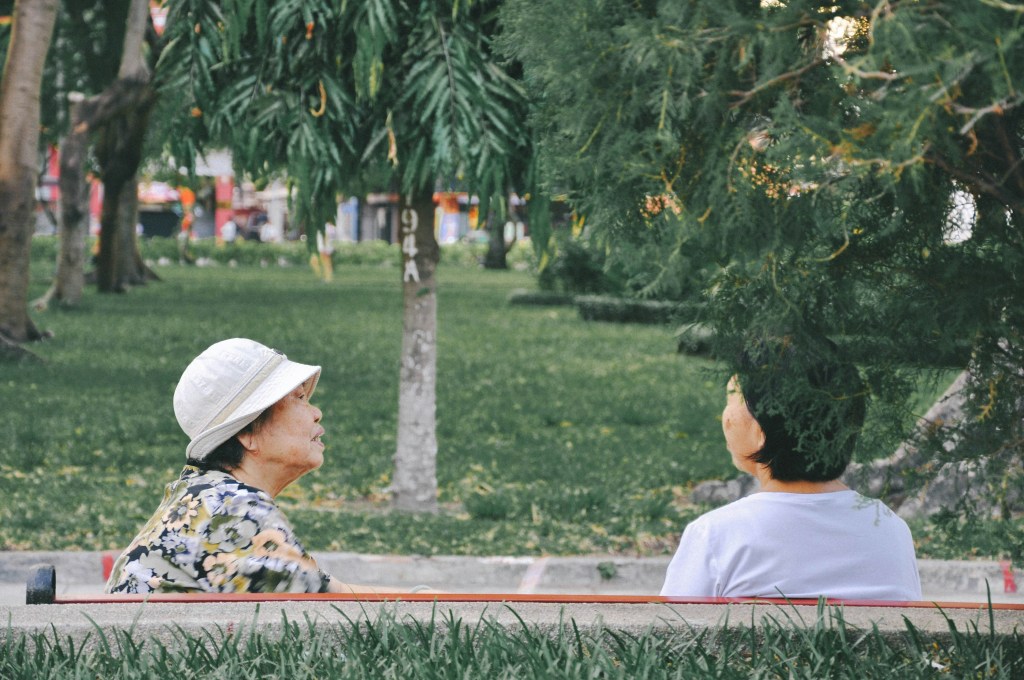
Stories like this don’t need plot twists. They don’t even need beginnings or endings. They just need presence. If someone you love tells you, “I don’t have a story,” try asking them, “What does your body remember?” Then wait.
The Practice of Remembering
Memory is not a file cabinet; it’s a garden. It needs tending. It grows best when we return to it with curiosity, not judgment.
Here are a few practices to nurture embodied memory:
- Take a “sensory walk” through your home or neighborhood. What do your senses pick up?
- Keep a memory journal, not for events, but for impressions—textures, sounds, smells.
- Share one small physical memory with someone close. A gesture, a sound, a scene.
- Ask elders in your life to describe how something felt—not just what happened.
You’ll find that memory begets memory. One scent leads to a room, that room leads to a feeling, that feeling to a story. The past unfolds not in sequence, but in pulses.
Remembering Forward
Ultimately, the stories we tell aren’t just about the past. They shape how we walk into the future. When we recover the sensory threads of childhood, we reclaim a sense of self that is grounded, complex, and deeply alive.
And in doing so, we offer something lasting—not just for ourselves, but for those who come after. They, too, will one day ask: What did my parents or grandparents feel? How did they carry memory?
Let’s leave them something textured. Something real. Let’s give them what the body remembers.
 STORY TABLE
댓글 남기기